
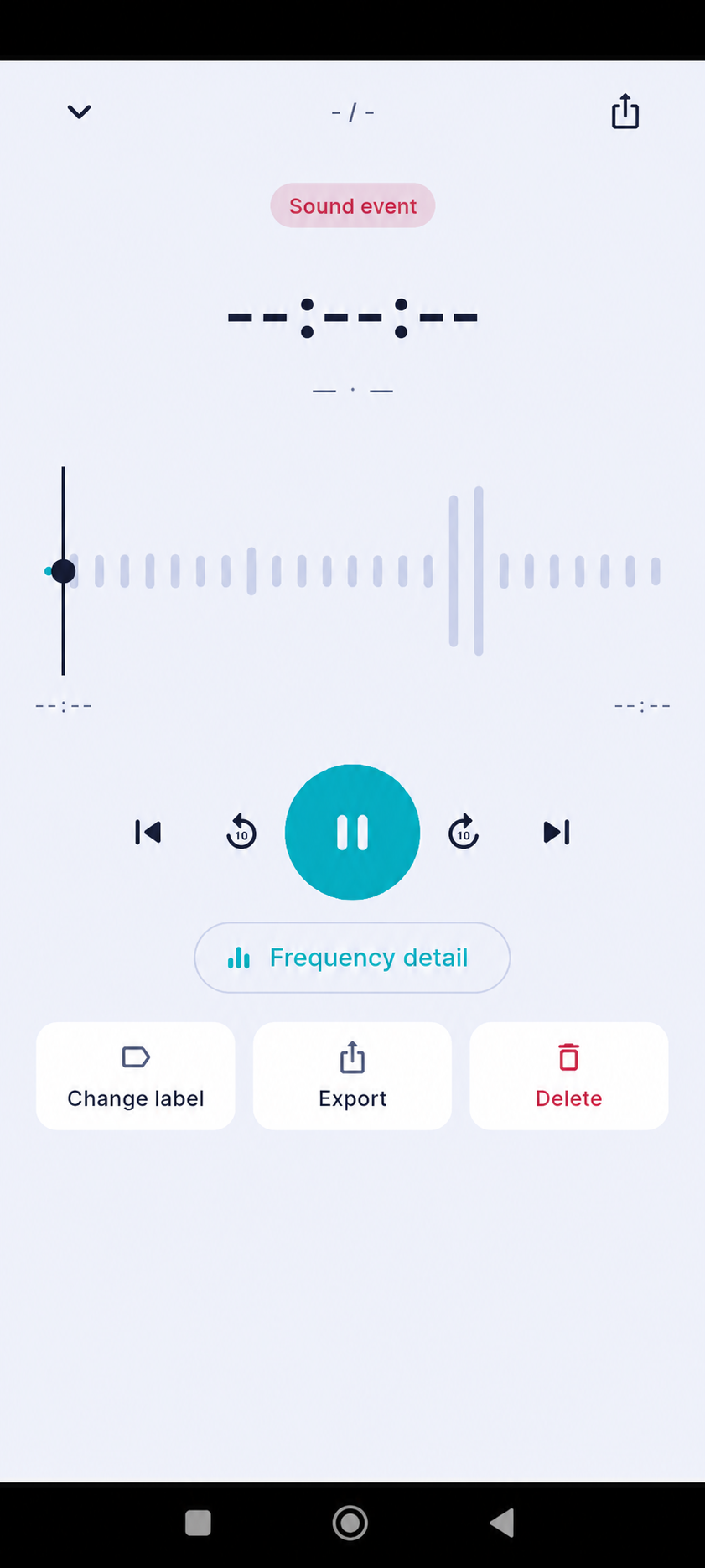
A sleep talking recording can be surprising, but a short clip has important limits. Audio may be muffled or mixed with room noise, and an app cannot reliably explain why someone spoke or what a phrase means. Use a recording as a private observation to review thoughtfully, not as a window into someone’s intentions, memories, or medical status.
Listen to the clip without assigning a meaning
Play the clip at a comfortable volume and note only what is plainly audible. A brief phrase may be incomplete, hard to understand, or affected by another sound. If the app provides a label, treat it as an organizational suggestion and correct or leave it uncertain when appropriate.
Sleep speech can vary in clarity. Even understandable words do not establish what a person was thinking, remembering, or intending. Avoid quoting a clip or drawing conclusions about someone from it, especially when they have not heard the recording themselves.
Check the surrounding context
Look at the event’s time in the session and consider what else was happening in the room. A television, conversation, pet, or another person may overlap with the sound. A few seconds before and after the clip can sometimes make it easier to tell whether the audio is speech or general room noise.
Keep a note about the environment if you are comparing sessions, such as a different room or phone position. The same setup may still capture sounds differently from night to night, so treat the timeline as an aid to review rather than a complete record.
Put privacy first when replaying or sharing
Sleep audio may include someone who shares your room. Before replaying, exporting, or sharing a clip, consider whether that person can be identified and whether they consented to recording. Use the app’s retention and deletion options to manage saved clips, and delete audio you no longer need.
A private recording can feel personal even when it was captured automatically. Limit access to clips and avoid using them to embarrass, confront, or speculate about another person. Your notes should focus on your own observations and questions.
Know the limits of an app and when to ask for help
AuraSleep can help you review sound clips; it cannot determine the cause or clinical importance of sleep talking. Sleep talking is described in sleep medicine as a symptom that can vary in how understandable it is. A recording alone does not diagnose a sleep disorder.
If unusual nighttime behavior is frequent, disruptive, or accompanied by other concerning symptoms, discuss it with a qualified healthcare professional. AuraSleep is a wellness app, not a medical device, and does not replace clinical evaluation.
Review sleep talking audio with curiosity and restraint: note what is audible, check the room context, protect everyone’s privacy, and avoid interpreting words as proof of thoughts or diagnosis. Ask a healthcare professional about persistent or concerning nighttime behavior.
Sources
- American Academy of Sleep Medicine: Sleepwalking & Sleep Talking · View source
- MedlinePlus: Sleep Disorders · View source