
Brief awakenings can happen during a night, and remembering one does not by itself mean something is wrong. The harder experience is often becoming alert, worrying about the time, and struggling to return to sleep. A calm response can reduce the pressure to force sleep immediately.
Keep the moment low-stimulation
If you wake, try to keep lights dim and avoid checking the clock repeatedly. Give yourself a chance to settle with a comfortable position and quiet breathing or another familiar relaxing routine.
If you remain clearly awake and frustrated, NHLBI guidance suggests getting out of bed for a quiet activity and returning when sleepy. Treat timing as approximate; the aim is to avoid turning bed into a place of prolonged struggle.
Look for recurring context
Note bedtime, wake time, discomfort, noise, stress, medication changes, or schedule shifts when relevant. You do not need to record every awakening if that increases worry.
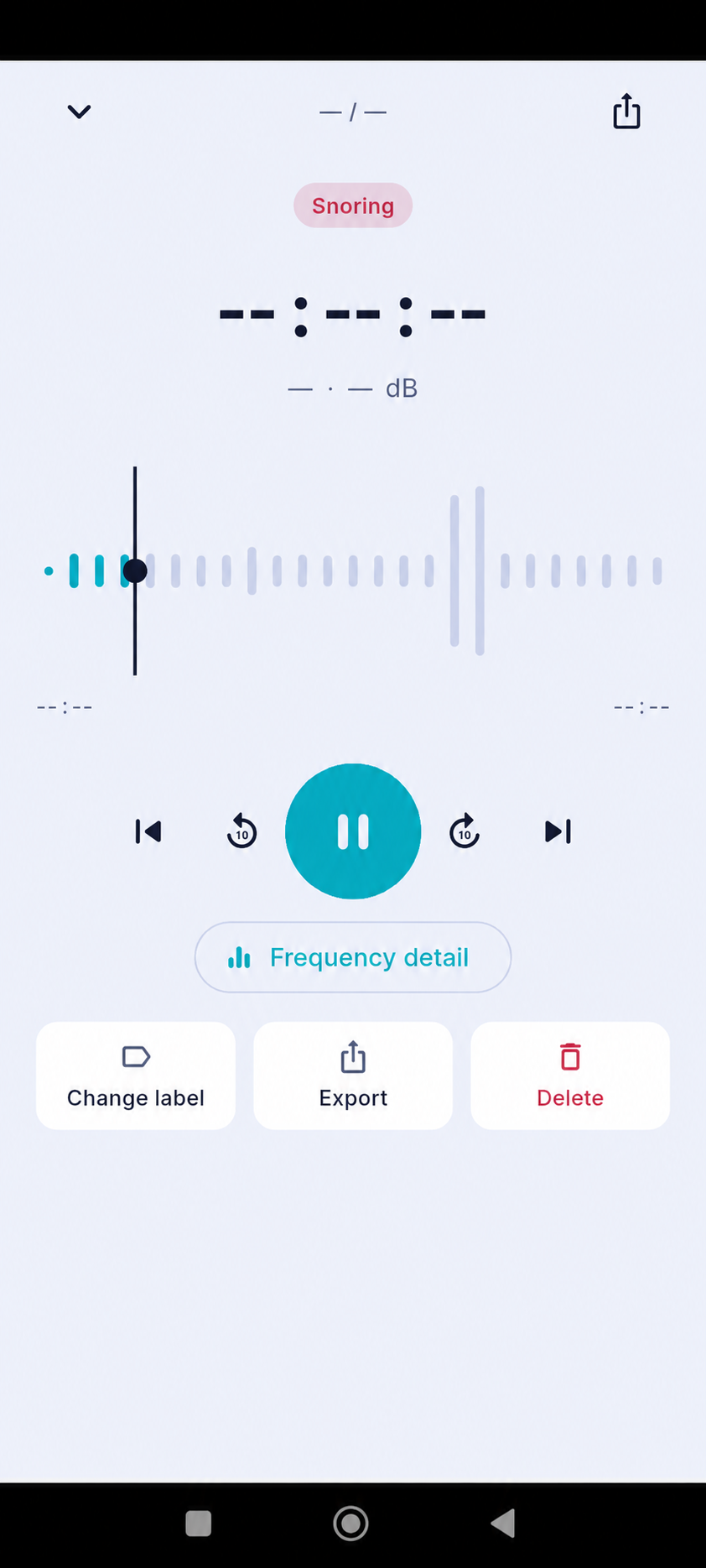
A phone may detect sound events, but a sound timestamp cannot establish that you were awake or identify why you woke. AuraSleep’s event timeline is an observation to review alongside your memory, not proof of wakefulness.
Avoid overinterpreting a single night
Night-to-night variation is normal. Compare a few nights and pay attention to daytime impact rather than trying to achieve a flawless graph.
If tracking makes you monitor the night anxiously, pause it and use a simple morning note instead. More data is not always more helpful.
Know when to seek help
Talk with a clinician if awakenings happen often, persist, or affect your mood, concentration, or safety. Mention symptoms such as pain, breathing pauses, or distressing nighttime experiences.
A diary can support a conversation, but consumer sleep tools cannot diagnose insomnia, sleep apnea, or another condition. A professional can consider the full history and appropriate next steps.
Night waking can be common, but repeated disruption and daytime effects deserve attention. Keep the response calm, note only useful patterns, and consult a clinician if the problem persists or raises health or safety concerns.
Sources
- NHLBI: Healthy Sleep Habits · View source
- NHLBI: Healthy Sleep Guide · View source