
Sharing a bedroom with a pet can be comforting and part of a valued bond. It can also introduce movement, noise, warmth, or changes in space. Research findings vary, so the useful question is whether the arrangement seems to affect your own rest and what small adjustment might help.
What studies can and cannot say
A small objective study of adults sleeping with dogs found differences depending on whether the dog was on the bed or in the room. Other surveys report varied experiences and associations. These studies do not establish one rule for every pet or household.
Your pet’s size, behavior, sleep schedule, and the room layout all matter. A study result should inform a question, not dictate a household decision.
Notice specific interruptions
For a few nights, note whether you remember waking, whether the pet moved or made noise, and how rested you felt. A sound recording may capture an event but cannot reliably identify its source or show that it woke you.
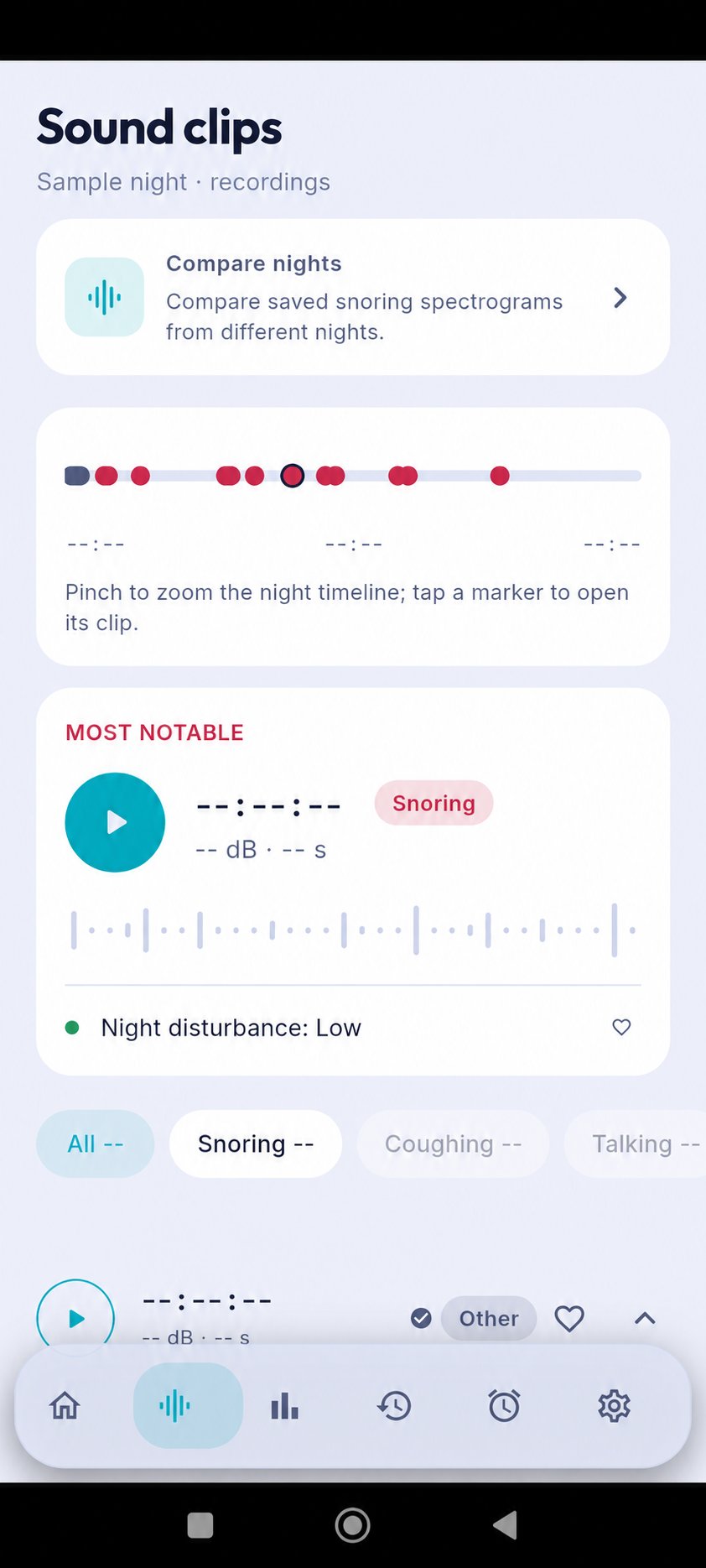
If you use a sound-event app such as AuraSleep, review any available clip cautiously and consider ordinary alternatives such as a partner, fan, or street noise. Do not treat an automated label as proof.
Try a kind, reversible adjustment
If you suspect a pattern, test one gentle change: a separate pet bed nearby, a different room arrangement, or a consistent bedtime routine for the animal. Keep the pet’s welfare and household needs in mind.
Change one variable for several nights if practical. A short trial can show whether you prefer the arrangement, though it cannot prove a scientific cause.
Balance comfort, health, and sleep
Some people sleep better with a pet nearby; others need more space or fewer interruptions. Allergy, asthma, mobility, and animal-care needs may also shape the decision.
If disrupted sleep continues or daytime function suffers, discuss the concern with a healthcare professional. You can preserve closeness while finding a setup that supports everyone’s rest.
Pets do not affect every sleeper in the same way. Observe specific interruptions and try a considerate, reversible bedroom adjustment if needed; use recordings only as clues, never as proof of who caused a sound or whether you woke.
Sources
- Objective study of dogs in the human sleep environment · View source
- Survey study of pets and adult sleep · View source