
Light is a timing cue for the circadian system, the roughly 24-hour process that helps coordinate sleepiness and alertness. The effect depends on when light reaches you relative to your internal timing. That is why “get morning sun” can be a useful idea for some routines and a poor fit for someone coming home from a night shift. The goal of this guide is to help you observe timing, not prescribe a light treatment.
Why the clock cares about timing
Light reaching the eyes communicates information about the day-night cycle to the brain. Across studies, brighter light in the morning has been associated with earlier sleep timing, while evening light can be associated with later timing. These are population-level patterns; they do not predict exactly how one person will respond, and they are not a direct measure of sleep quality.
A 2019 systematic review of community-dwelling adults found that the timing and amount of light mattered, while noting variation in study methods and outcomes. A separate 2022 review focused on evening exposure before real or simulated night shifts found phase delays across a small set of eligible studies. The second review included only five studies, so its findings should not be turned into a universal schedule for night workers.
A practical daylight observation, not a dose target
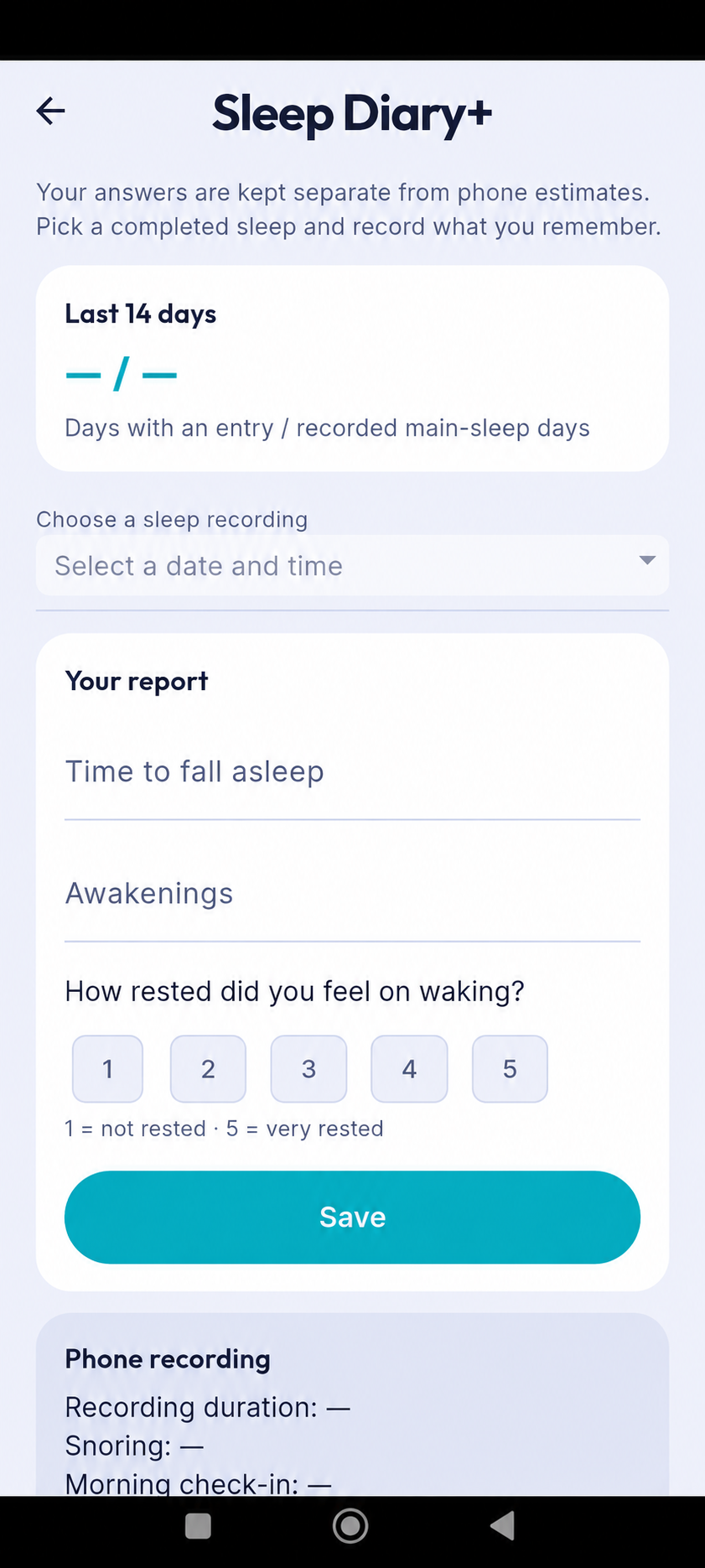
For seven days, record when you wake, when you first spend time outdoors, whether the day is mostly indoors, and when you try to sleep. Add context such as cloudy weather, a commute, or a night duty. You do not need to stare toward the sun or buy a light device to make this observation. Ordinary daylight and a note of its timing are enough to describe a routine.
Compare like with like: a workday after an early bedtime is not directly comparable with a day after an overnight shift. If you change several habits at once, you will not know which one coincided with a difference. A short diary cannot measure light intensity at the eye, melatonin timing, or circadian phase. It can only help you remember what your days looked like.
Night shifts change what “morning” means
Clock time and biological time are not interchangeable. After a night shift, daylight on the commute may occur close to a planned daytime sleep period; for another worker, early daylight may be part of their usual wake routine. The timing of light can shift circadian rhythms in different directions, and the available field evidence does not support one simple rule for every rotating roster.
If you work nights, note the end of duty, commute, intended sleep window, and light exposure as separate events. Do not copy a day-worker routine or use a bright-light box based on a generic article. People with eye conditions, bipolar-spectrum conditions, medications that affect light sensitivity, or persistent sleep problems should seek individualized advice before trying a therapeutic light device.
Use the record to ask a better question
After a week or two, look for a pattern: does your sleep timing vary with wake time, outdoor light, or shift changes? A consistent cue may be easier to maintain than chasing a particular number of minutes. If your schedule is constrained by work or caregiving, record what is realistic rather than treating the diary as a compliance score.
AuraSleep can keep a personal note about the timing of daylight alongside a sleep session. It does not measure light reaching your eyes, infer your circadian phase, or diagnose a sleep condition. Bring persistent difficulty sleeping or significant daytime impairment to a qualified clinician; an app trend is context for that conversation, not a substitute for it.
Daylight is one input to circadian timing, and the timing that fits depends on the person and their work pattern. Record wake time, light context, and intended sleep across comparable days; interpret the notes cautiously and seek tailored advice before using therapeutic light.
Sources
- CDC/NIOSH — Light and Circadian Rhythms · View source
- Systematic review — light timing and sleep outcomes in adults · View source
- Systematic review — evening light before night shifts · View source
- NIH — Healthy Sleep · View source