
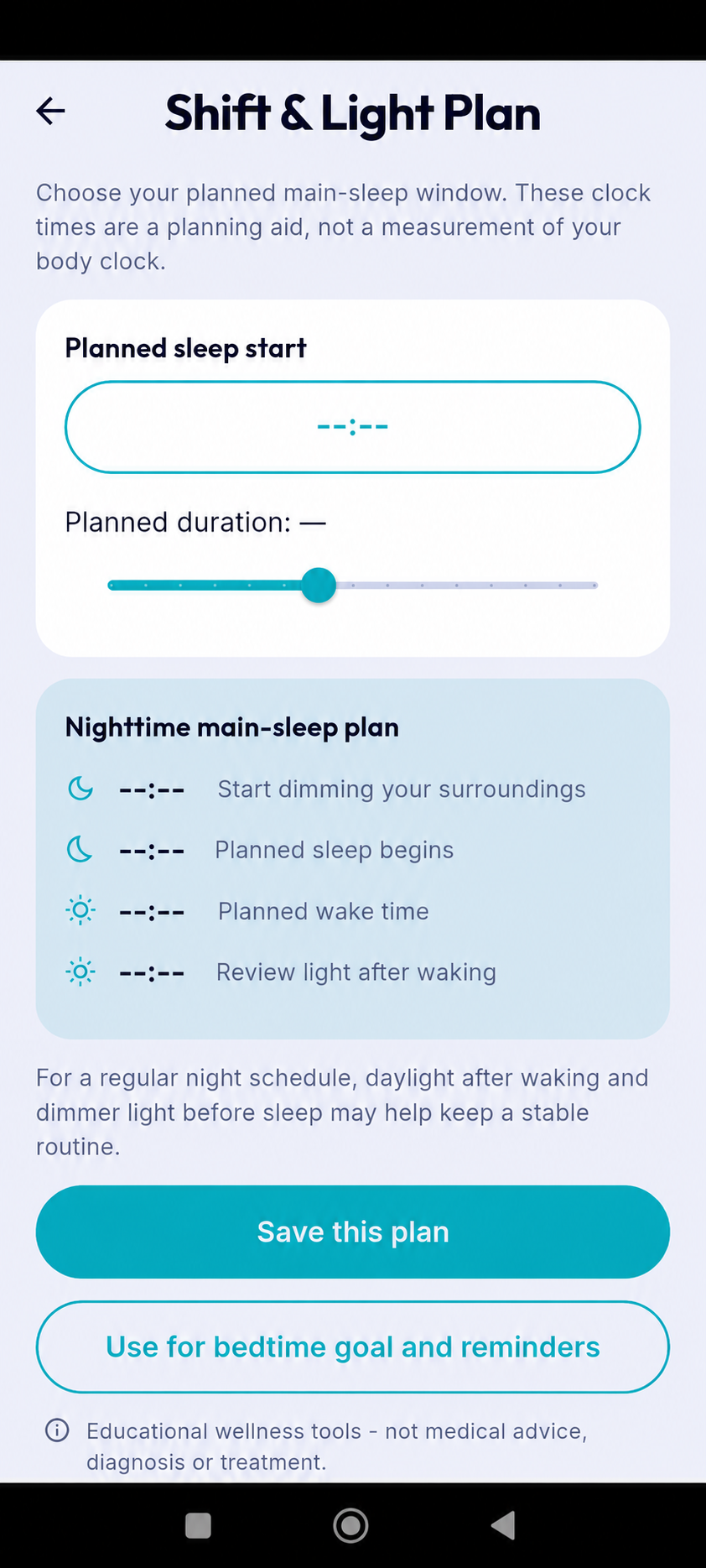
Sleeping after a night shift means asking the body to rest when daylight and ordinary household activity may be signaling daytime. A repeatable wind-down can make the transition more predictable, even though it cannot remove every challenge created by the schedule.
Understand the pattern
Choose a short sequence you can repeat after work: finish errands before the sleep window when possible, lower light exposure, and make the bedroom dark, quiet, and comfortably cool. Tell household members when you plan to sleep.
Start by describing, not judging. Compare several ordinary days.
Try a practical adjustment
Record when the shift ended, when you tried to sleep, interruptions, and how alert you felt later. This can reveal whether a particular commute, noise period, or changing sleep window repeatedly cuts into rest.
Choose one change and give it a fair, comfortable trial.
Keep expectations realistic
If you are too sleepy to travel safely, do not rely on willpower. NIOSH recommends fatigue countermeasures such as planned naps in appropriate contexts, while ongoing shift-related problems merit occupational health advice.
Personal observations are useful context, not a diagnosis.
Day Sleep After a Night Shift is best approached as one part of a broader sleep picture. Observe your own routine, make a comfortable change if useful, and seek personalized guidance when ongoing symptoms affect daily life. AuraSleep can help organize sleep sessions and notes, but it does not diagnose or treat a sleep condition.
Sources
- CDC/NIOSH: Shift Work and Long Hours · View source
- CDC/NIOSH: Fatigue Crisis Guidance · View source