
Comparing nights can help you notice changes in your routine, but a side-by-side chart can also make ordinary variation look more important than it is. A useful comparison starts with context: which days are similar, what changed, and how complete are the records?
Choose comparisons that make sense
Compare workdays with workdays or nights with similar schedules when you can. A night before an early shift may not be meaningfully comparable with a free day. Check whether each entry covers the same kind of information, and remember that missing details can affect an apparent difference.
AuraSleep history can help you revisit sessions and notes. App-generated durations or scores may be estimates, so do not treat small differences as precise measurements. If you are unsure what a display represents, check the app’s labels and help information.
Add the context you remember
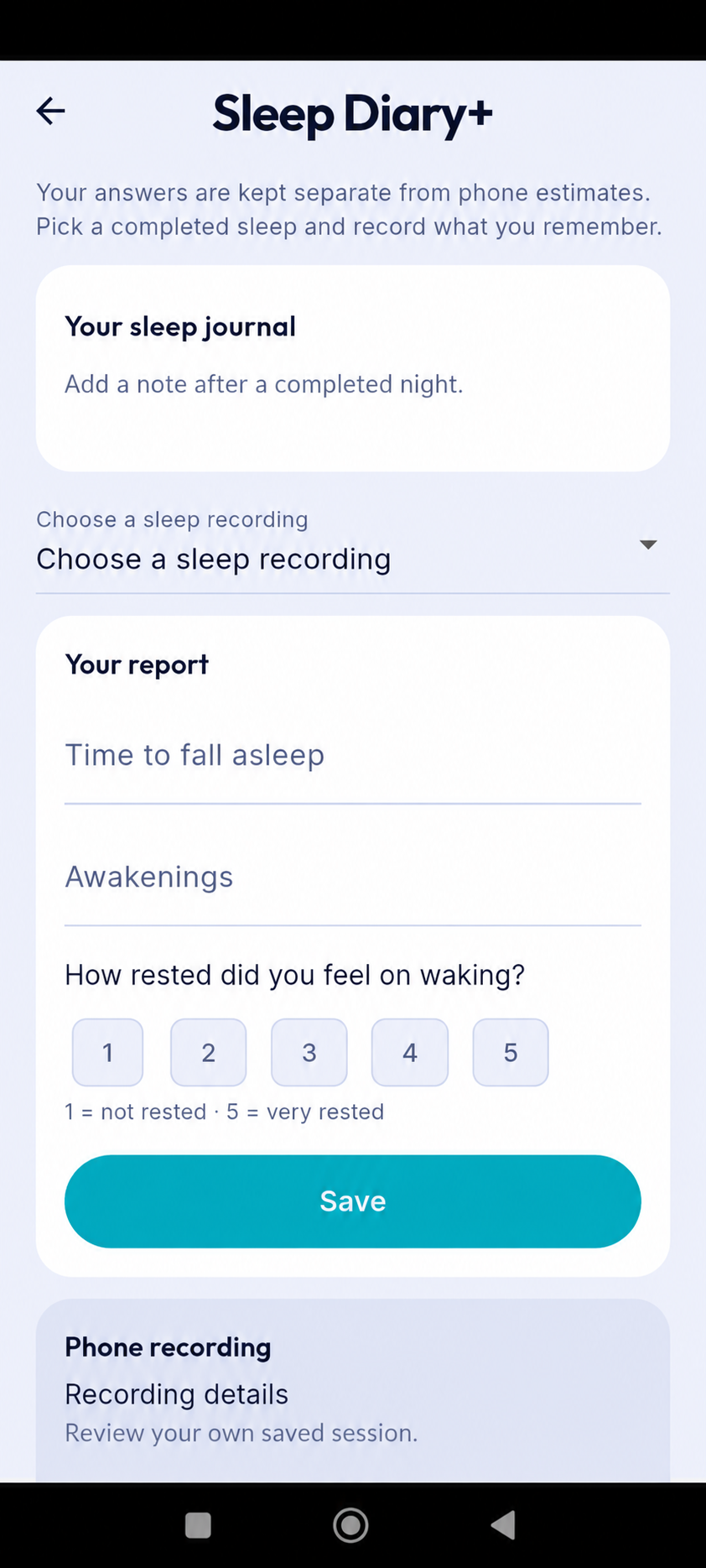
A short note about a late meal, travel, a shift change, or how you felt the next day can make a comparison more useful. These details help describe your experience; they do not establish that a particular factor caused a change in sleep.
Look for a pattern across several comparable nights rather than selecting the most striking pair. Keep notes factual and avoid interpreting a sound event or score as proof of a health condition.
Keep the comparison private and practical
Use the comparison to ask a gentle question about your routine, not to rank yourself or chase a perfect score. Consider one manageable habit to explore, and give it time instead of changing several things at once.
Sleep histories can contain sensitive personal information. Review sharing and deletion controls before exporting a comparison. If sleep concerns persist or interfere with your day, talk with a qualified healthcare professional; an app cannot diagnose or treat a condition.
Night-to-night comparisons are most helpful when the days are reasonably similar and the limits of the data are clear. Look for repeated patterns, add personal context, and use the result for reflection rather than diagnosis.
Sources
- CDC: About Sleep · View source
- NHLBI: Healthy Sleep Habits · View source