
People often ask for one ideal bedroom temperature, but comfort depends on bedding, clothing, humidity, health, and personal preference. Research describes links between thermal conditions and sleep, yet it does not establish one exact setting that works for every bedroom and sleeper.
Why thermal comfort can matter
The body changes how it releases and retains heat across the sleep period. A room that feels too warm or too cold may make settling down or staying comfortable harder, particularly when bedding traps heat.
The same thermostat setting can feel different in a humid room, under a heavy duvet, or during a seasonal change. Focus on your experience rather than treating a published number as a universal target.
Adjust the whole sleep setup
Try small changes: lighter or warmer bedding, breathable sleepwear, ventilation, or a modest thermostat adjustment. Change one factor at a time when possible so you can tell what made the room more comfortable.
Consider safety and household needs when changing heating or cooling. Infants, older adults, and people with some health conditions may need specific temperature guidance.
Keep a brief comfort note
For several nights, record whether you felt hot, cold, or comfortable, plus any bedding or weather change. Compare those notes with how rested you felt, without concluding that temperature caused every difference.
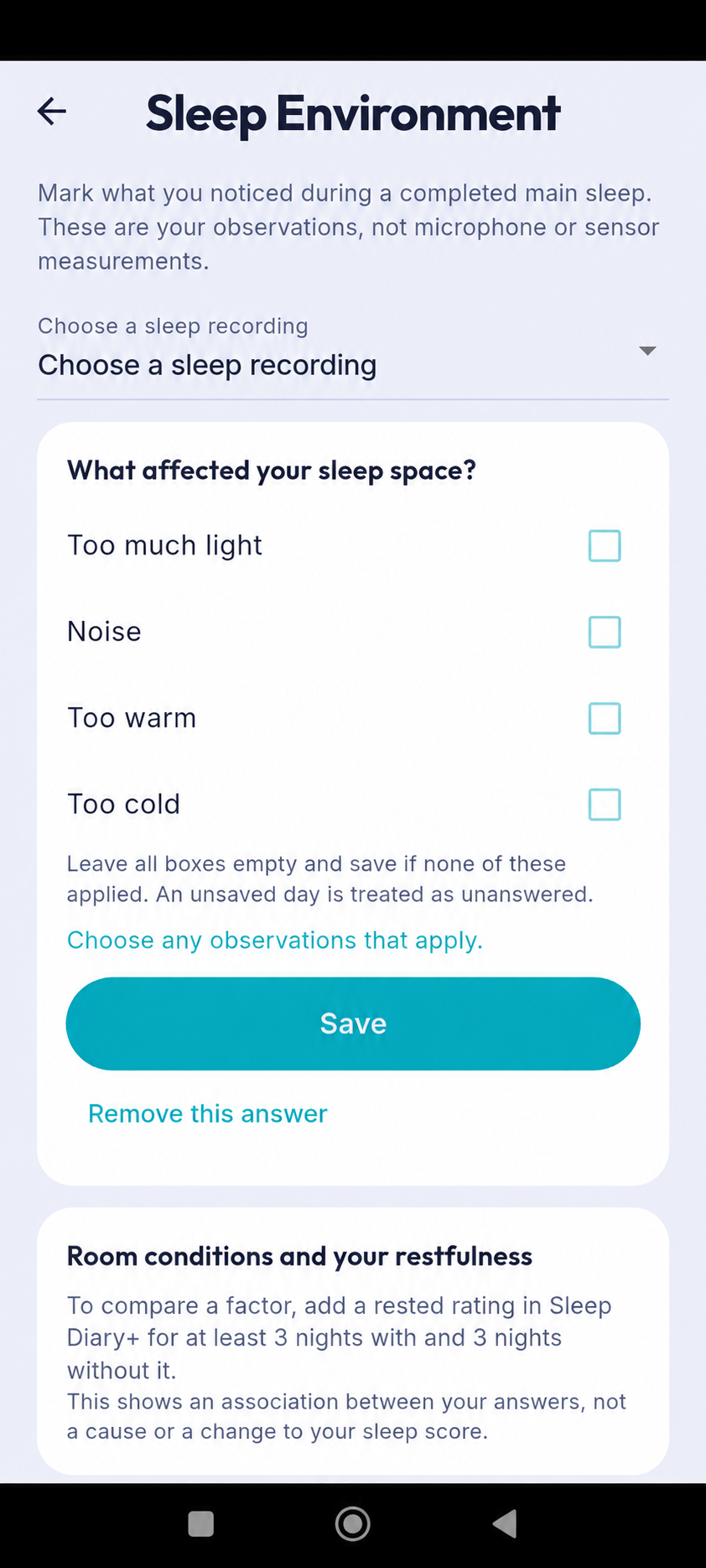
A sleep diary can hold this context beside a session. AuraSleep offers personal session notes, but it does not measure room temperature; add a thermometer reading yourself if that detail matters.
Use evidence without false precision
Studies differ in participants, rooms, clothing, and measurement methods. That makes broad comfort guidance more useful than claims that a precise temperature guarantees better sleep.
Persistent night sweats, chills, breathing trouble, or other symptoms should be discussed with a clinician. A room adjustment is not a substitute for checking an ongoing health concern.
There is no single bedroom temperature that guarantees good sleep. Adjust bedding and room conditions gradually, record comfort over several nights, and use professional advice when symptoms extend beyond ordinary room discomfort.
Sources
- Sleep Environments and Sleep Physiology review · View source
- Systematic review of cold indoor temperature · View source