
The idea that every sleep cycle lasts exactly 90 minutes is easy to remember, but it is too neat for human sleep. Cycle length varies between people and across the same night. A precise bedtime calculator based on fixed 90-minute blocks can therefore promise more accuracy than the evidence supports.
Cycles are not clockwork blocks
Sleep alternates through stages in cycles, but their duration is not identical all night. A large retrospective analysis of thousands of cycles reported a median around 96 minutes with meaningful variation.
A median is a summary of a group, not a timer for an individual. Age, sleep pressure, health, and night-to-night conditions can influence sleep architecture.
Why online calculators can mislead
A calculator that counts back a fixed number of 90-minute periods cannot know when you will fall asleep or how your stages will unfold. It may be a rough scheduling prompt, but it cannot guarantee that an alarm will land at a light stage.
Consumer apps may show estimates or scores, yet those displays are not equivalent to measuring brain waves in a sleep lab. The AASM cautions against treating consumer sleep technology as a replacement for diagnosis.
Plan around sleep opportunity
Instead of optimizing a cycle formula, allow enough time for sleep and keep a reasonably stable wake routine when your life permits. If you need an alarm, choose a time that supports your obligations and adequate rest.
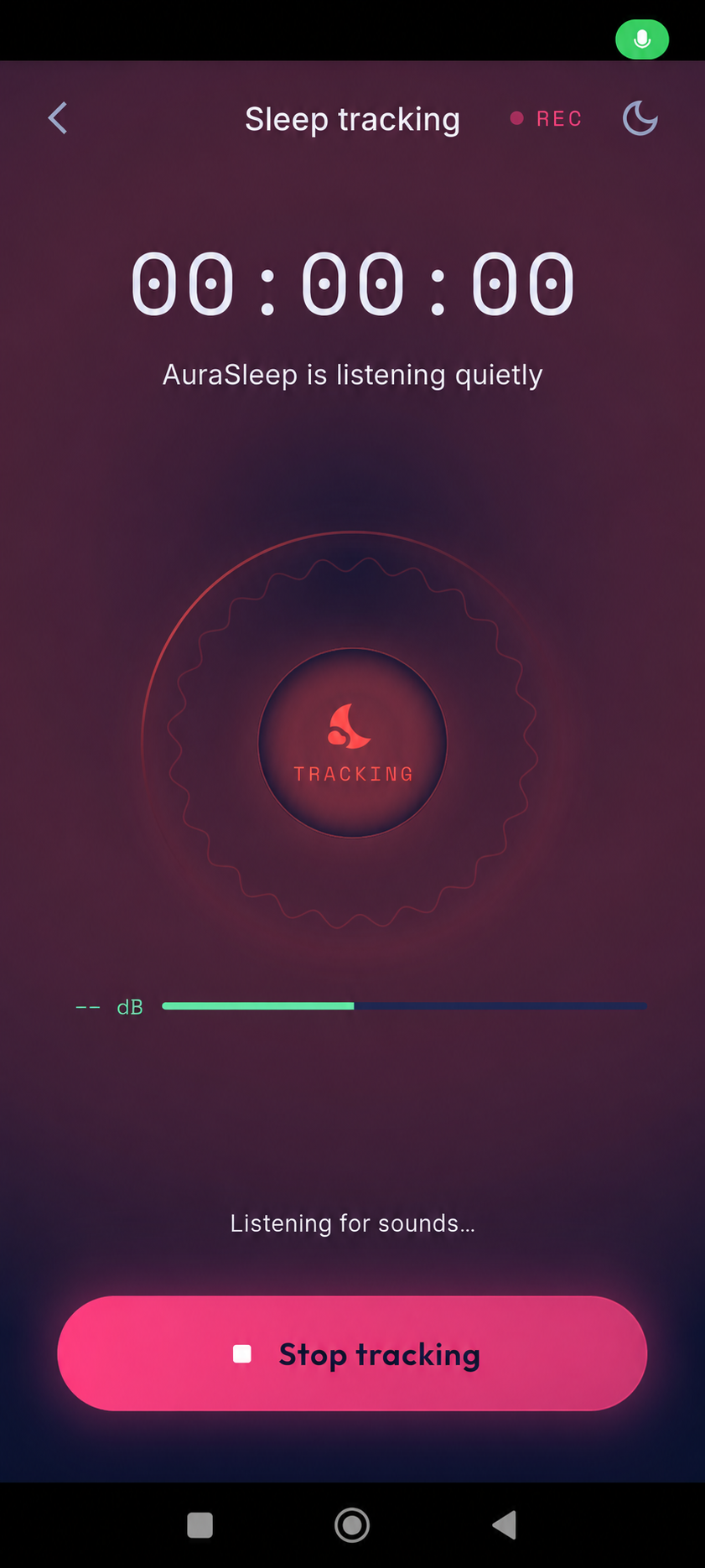
AuraSleep records session duration and sound events; those observations do not identify exact sleep stages or cycle boundaries. Use the record to reflect on schedule consistency, not to infer a precise stage.
When sleep remains unrefreshing
Repeated unrefreshing sleep can have many explanations, including insufficient opportunity, schedule mismatch, medications, or health conditions. A cycle calculator cannot sort them out.
If the problem persists or affects daytime function, discuss it with a healthcare professional. Bring your experience and schedule rather than relying on a cycle estimate as a diagnosis.
Sleep cycles are real, but a fixed 90-minute rule cannot accurately predict an individual’s stages or ideal alarm time. Prioritize enough sleep opportunity and treat consumer charts as limited estimates.
Sources
- Retrospective analysis of sleep-cycle duration · View source
- AASM: Consumer Sleep Technology Position Statement · View source